
Welcome, Tom, Ms. Kaith has selected the following News to discuss with your child.

Ferguson

What happened

What Happened in Ferguson?

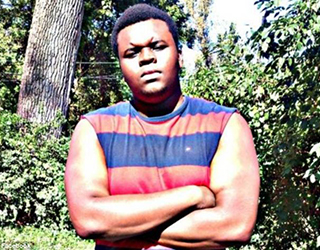
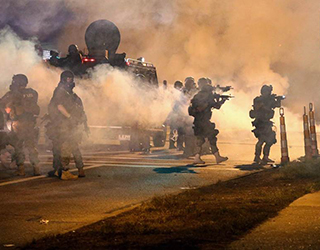
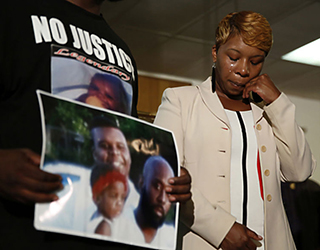
Michael Brown, an unarmed black teenager, was shot and killed on Aug. 9, by Darren Wilson, a white police officer, in Ferguson, Mo., a suburb of St. Louis. The shooting prompted protests that roiled the area for weeks. On Nov. 24, the St. Louis County prosecutor announced that a grand jury decided not to indict Mr. Wilson. The announcement set off another wave of protests.

Read More
Discussion Points

  • What factors influenced the particular choices made by the individuals and groups involved in this event?
  • Why is race such an important factor in this story?
  • What role did stereotyping play in the events that unfolded in Ferguson?
  • Why do people stereotype? Is it always wrong?
  • To what extent do you think people see things differently based on their race or ethnicity?
  • Why is it so hard to talk about race?

What happened after

What Did the Grand Jury Decide?

The grand jury decided not to indict Officer Wilson in connection with the shooting of Michael Brown, 18. The grand jury, made up of nine whites and three blacks, had been meeting to consider evidence in the case since Aug. 20. Its task was to determine whether there was probable cause to believe that Officer Wilson should be charged with a crime, and if so, which one. An indictment would have required nine of the 12 grand jurors to agree. The county prosecutor released forensic reports, photographs of evidence and transcripts of the proceedings, materials that are usually kept secret.

Read More

Discussion Points

  • Why did the shooting of Michael Brown provoke such an outpouring of protest and commentary, both in Ferguson and across the nation?
  • Why did the Nov. 24 decision by the grand jury cause a new wave of anger and protest?
  • How did the media frame Michael Brown’s shooting and why?
  • Why do humans hold prejudices and how can we acknowledge them and move on?
  • What do the Ferguson protests reveal about American attitudes toward race?
  • What have you noticed about the national conversation about race after this event?
  • What can you and people your age do to make that conversation more fruitful?

Social + Judicial Context

What Was the Basis of the Grand Jury’s Decision?

The prosecutor usually chooses the evidence that a grand jury will hear, but in this case, the grand jury was given more latitude in calling witnesses and issuing subpoenas, according to Susan McGraugh, a law professor at the St. Louis University who has followed the case extensively. Grand jurors viewed photographs, forensic evidence and medical reports. Witnesses who testified include people who saw the events and police officers who worked on the investigation. While it is unusual in grand jury proceedings for the defendant to appear, Officer Wilson also gave testimony.

Read More

Discussion Points

  • What is justice?
  • How can we enforce it?
  • Who should enforce it?
  • What factors stand in the way of justice?
  • Do we need police? If so, what should be their job?